Salary sacrifice schemes explained
HMRC has clarified how salary sacrifice car schemes are taxed and for driving an electric vehicle, the outcome still remains highly favourable.
With confirmed tax rates through till 2030 and continued exemptions around specific tax rules, salary sacrifice will remain one of the most cost-effective ways for employees to drive a new car.
The 2026 Spring Statement from the UK Government confirmed no changes to salary sacrifice schemes for electric vehicles with tax advantages remaining in place. There is a slight gradual increase to Benefit-in-Kind (BiK) though.
For vehicles ordered on or after 6th April 2017
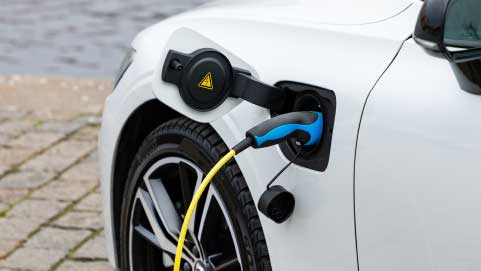
Most salary sacrifice benefits are taxed under HMRC’s Optional Remuneration Arrangements (OpRA), which tends to remove much of the tax advantage, however, electric vehicles are exempt.
Employees are therefore only taxed on the low Benefit-in-Kind (BiK) that electric cars benefit from, not the salary the employee gives up making EV salary sacrifice schemes significantly more tax-efficient.
Electric Car BiK Rates (confirmed to 2029/30)
| Tax Year | BiK Rate % (EVs) |
| 2026/27 | 4 |
| 2027/28 | 5 |
| 2028/29 | 7 |
| 2029/30 | 9 |
The latest confirmation by HMRC of rates up to 2030 give certainty and long-term assurance to businesses looking to implement a salary sacrifice car scheme.
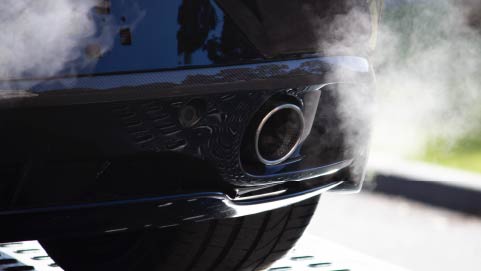
Whilst there is an increase to BiK for electric vehicles in the coming years, they are significantly more tax-efficient than their petrol or diesel equivalents which can attract rates up to 37%.
Example: How much BiK do you pay?
CUPRA Born 59kWh V1 230 Auto e-Boost (MY26)
2026/27 BiK rate: 4%
Taxable benefit: £1,600
- 20% taxpayer: £285/year (£23.75/month)
- 40% taxpayer: £570/year (£47.50/month)
What does this mean in reality?
- Salary sacrifice schemes are still highly tax-efficient for EVs
- There are still significant savings despite the phased increase in BiK
- EVs remain the cheapest way to drive a car on salary sacrifice
- Those who launch a scheme soonest will benefit most from savings
Want to see how much you could save?
How does a salary sacrifice scheme work?

Salary Sacrifice is a benefit scheme that enables employees to get a brand-new electric car. As part of the group behind Evans Halshaw and Stratstone, we can offer your employees amazing corporate discounts on new cars and an all-inclusive fixed monthly price that includes tax, insurance, maintenance and more.
As the employer, you lease the car on behalf of your employee, and they then get to drive a brand-new car using part of their gross salary - making savings on income tax and national insurance.
The benefits of salary sacrifice
The benefit of salary sacrifice is always the convenience of an all-inclusive monthly fee that incorporates an EV charger, full maintenance, tyres, insurance, road tax and breakdown cover, as well as the fact that no credit check or deposit is required.
A recent survey found that 40% of employees value a new car through salary sacrifice ahead of pensions and flexible working. 62% of employees said they would not move to an employer that does not offer a salary sacrifice car scheme.
A new car can help increase employee motivation, leading to improved productivity and retention, and as the employer it costs you nothing to set up and is easy to run. There is no catch, and is really great value for money.
The employee car benefit scheme offered by Driveway Vehicle Solutions offers the ultimate work benefit with employees saving whilst employers see increased retention alongside savings in NI and corporation tax contributions. Our scheme can be set up in as little as seven days and with cars readily available, your employees could be in a car in the same time frame.
With BiK steadily increasing, now is the perfect time to launch a salary sacrifice scheme or move providers if you do not feel like you are getting the full value from your existing scheme.
Speak to us today to get started
Other potential savings
The main advantage to employers for implementing salary sacrifice schemes are the savings they make in National Insurance Contributions (NICs). Employers pay NIC contributions to employees’ salaries, but benefits such as salary sacrifice are exempt.
Employees will also be financially better off as they pay less tax and NIC on their salaries while getting to enjoy a brand-new vehicle that would have cost significantly more through personal or business contract hire.
If choosing an electric car, employees can typically save 30 to 40 percent of costs through income tax and national insurance.
Frequently asked questions
Yes absolutely, especially when it's a fully electric vehicle, savings can be up to 40% off the car.
Yes, fully electric vehicles are exempt, meaning tax is based on BiK rather than salary sacrificed.
BiK is increasing gradually up to 9% by 2029/30 but remain significantly stronger than their petrol and diesel equivalents.
While future changes are possible, current government policy continues to support EV adoption.