HMRC EV Charging Rules Explained: Workplace Charging, Home Chargers and Charge Cards
05th Aug 2026
Employee Car Benefit schemes remain one of the most popular employee benefits in 2026, with electric vehicles (EVs) taken through salary sacrifice now commonplace.
One area that has often caused confusion is charging. Can an employer pay for workplace charging, a home charger or charging costs without creating a taxable benefit?
HMRC's updated guidance in Employment Income Manual (EIM23900) provides much-needed clarity. The guidance confirms that several charging-related benefits connected to a company electric vehicle can be provided without creating an additional taxable benefit, including workplace charging, home charge point installation, public charging cards and, in many cases, charging cost reimbursement.
However, HMRC also makes clear that not every product or service connected to EV ownership qualifies for the same treatment.
Why HMRC's Clarification Matters
The guidance matters because it establishes clearer boundaries between benefits that support the operation of a company EV and benefits that primarily improve an employee's personal circumstances.
As EV salary sacrifice schemes have evolved, employers have increasingly explored additional benefits linked to charging and vehicle ownership. HMRC's latest guidance confirms where favourable tax treatment begins and where it ends.
The question employers should consider is simple:
Does the benefit help an employee charge and operate a company EV, or does it provide a wider personal benefit?
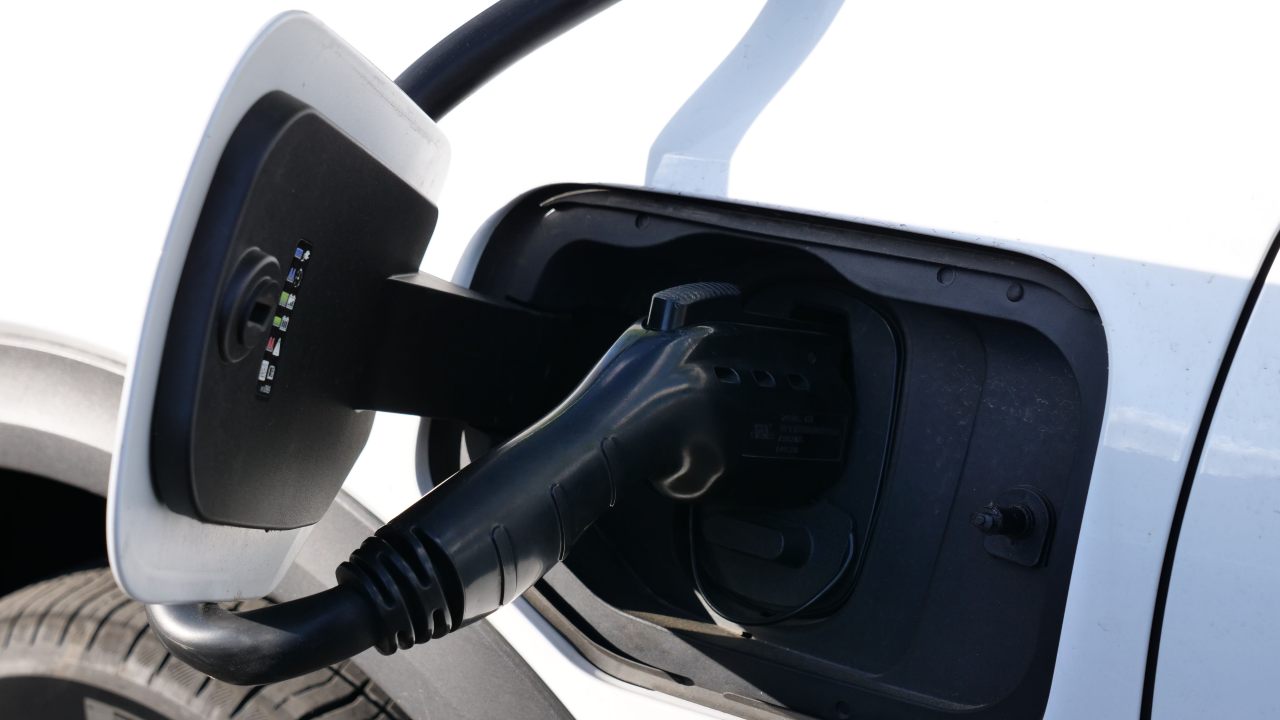
Benefits that directly support the use of a company electric vehicle can generally qualify for favourable tax treatment. Benefits that extend beyond the operation of the vehicle may not.
This distinction prevents the rules from being interpreted too broadly.
Harvey Perkins, Co-Founder of HRUX, recently summarised the issue on LinkedIn:
"To argue that something is a connected benefit because it is connected to something else that is connected to an EV company car is to argue that everything can be treated the same."
Without clear boundaries, it would be possible to create an endless chain of connected benefits:
Company EV → Home Charger → Solar Panels → Home Battery → Home Improvements
HMRC's guidance effectively draws a line under that argument. The exemption applies to benefits required to charge and operate the company vehicle. Once a benefit extends into broader personal or property improvements, the favourable treatment is unlikely to apply.
For employers, this provides greater certainty when designing benefits packages and EV salary sacrifice schemes.
What does this mean for employee car benefit salary sacrifice schemes?
A useful test is:
Does the benefit help an employee charge or operate a company EV, or does it primarily improve the employee's personal circumstances?
If the benefit directly supports the operation of the company vehicle, it will generally qualify for favourable treatment.
Examples include:
- Workplace charging
- Home charging point installation
- Public charging cards
- Reimbursement of charging costs
Benefits that provide a broader personal advantage are unlikely to receive the same treatment.
Examples include:
- Solar panels
- Home battery storage systems
Frequently asked questions
Yes. HMRC has confirmed that when an employer provides workplace charging for a company EV, there is no taxable benefit for the employee. This means employees can charge their company electric vehicles at work without triggering an additional tax liability.
Yes. Where an employer installs a home EV charge point for an employee who drives a company electric vehicle, HMRC confirms that this does not create a taxable benefit. This provides employers with a practical way to support EV adoption while keeping employees compliant with HMRC rules.
Yes. One of the most helpful points within the guidance relates to employer-provided public charging cards. HMRC states that where an employer provides a charging card for the purpose of charging a company electric vehicle at public charging points, no taxable benefit arises. For employees who regularly travel long distances or do not have access to home charging, this can be a valuable benefit.
In many cases, yes. HMRC confirms that where an employee incurs electricity costs charging a company EV and the employer reimburses those costs, there is generally no additional tax charge, provided the reimbursement relates solely to the company vehicle. The important consideration is that the reimbursement must be linked specifically to charging the company electric vehicle rather than covering wider household energy use.
While HMRC's guidance is supportive of benefits directly linked to operating a company EV, it does not extend to wider home energy improvements.
Solar Panels
If an employer funds the installation of solar panels at an employee's property, that benefit extends beyond the operation of a company vehicle. As the employee receives a broader personal benefit, the exemption is unlikely to apply and a taxable benefit may arise.
Home Battery Storage Systems
The same principle applies to home battery storage systems. Although battery storage may support vehicle charging, it also provides broader household benefits. As a result, HMRC does not treat it in the same way as charging infrastructure directly linked to the company vehicle.
In most cases, yes. Most electric vehicles provided through salary sacrifice arrangements are structured as company cars and therefore fall within the relevant company car benefit-in-kind (BiK) framework. As a result, employees using an EV through a salary sacrifice scheme can generally benefit from: Workplace charging
- Employer-funded home charger installation
- Employer-provided public charging cards
- Reimbursement of company EV charging costs
Employers should always ensure their scheme is structured correctly and seek professional advice where necessary.
HMRC EV Charging Rules: Key Takeaways
HMRC's latest guidance provides greater certainty for employers and employees participating in company car and salary sacrifice schemes.
Benefits that directly support the charging and operation of a company electric vehicle can generally be provided without creating an additional taxable benefit, including:
- Charging a company EV at work
- Employer-funded home charger installation
- Employer-provided public charging cards
- Reimbursement of company EV charging costs
Benefits that provide a wider personal advantage, such as solar panels or home battery storage systems, do not receive the same treatment and may create a taxable benefit.
For employers, the guidance makes it easier to understand which EV-related benefits can be offered confidently and compliantly.
Looking to introduce an EV Salary Sacrifice Scheme?
Driveway Vehicle Solutions helps employers design, launch and manage Employee Car Benefit salary sacrifice schemes.
Through our nationwide network of more than 170 dealer partners and a fully managed implementation process, we help businesses introduce electric vehicle benefits with confidence while creating a straightforward experience for employees.
To discuss launching or improving an EV salary sacrifice scheme, contact the Driveway Vehicle Solutions team today.