The HR Director's Guide to EV Salary Sacrifice: Supporting Recruitment, Retention and Employee Wellbeing
18th Nov 2026
For many HR Directors, salary pressure remains high while benefits budgets remain constrained. The challenge is finding benefits that genuinely improve employee wellbeing without significantly increasing employer costs. This is one reason EV salary sacrifice schemes have moved rapidly from a niche offering to a mainstream employee benefit.
Of course, a competitive salary is important, but employees are looking for more from their benefits package, things that add genuine value to their lifestyle. Anything that can support the rising cost of living, greater financial wellbeing, and sustainability is a win.
The above goes a long way to explaining the growth of salary sacrifice car schemes or Employee Car Benefit Schemes.
Offering employees a simple, tax-efficient way to drive an electric vehicle (EV), with all key motoring needs included, permits businesses to improve their employees’ package while supporting wider sustainability and business objectives.
For an HR decisionmaker, the question isn’t whether a salary sacrifice scheme is an attractive benefit anymore; it’s how it can support recruitment, retention, and employee happiness.
What is an Employee Car Benefit Scheme?

An Employee Car Benefit Scheme allows employees to sacrifice part of their gross salary in return for the use of an EV. Because payments are deducted before National Insurance and Income Tax calculations, employees can often achieve significant savings compared with taking out the same vehicle privately.
Most schemes will include the below as standard for employees:
• Home EV Charger
• Maintenance & Servicing
• Road Tax
• Breakdown Cover
• Lifestyle Protection (for Family Leave, Long Term Sickness etc)
• Tyres & Glass
For employees, this package offers a simple, predictable monthly cost. For employers, it’s a valuable workplace benefit that has fewer barriers to entry than a traditional company car scheme.
Why employees love Employee Car Benefit Scheme/EV Salary Sacrifice
Most benefits prove difficult to quantify with a value. Driving an EV isn’t. Employees see an immediate benefit from taking out a car on the scheme because it directly affects their monthly spend and how they get around.
The most common reasons employees explore salary sacrifice include:
Salary sacrifice can reduce the overall cost of driving an electric vehicle by taking payments from gross salary rather than net pay.
• Access to Better Vehicles
Many employees can access higher-specification vehicles than they might through personal finance or private leasing.
• Simplicity
A single monthly payroll deduction can cover a large share of motoring costs.
• Sustainability
Employees increasingly want to lower their environmental impact without compromising convenience.
• Reduced Monetary Uncertainty
Maintenance-inclusive packages help employees avoid unexpected costs associated with vehicle ownership.
Why Salary Sacrifice Has Moved from Fleet to HR
Historically, company cars sat within fleet management or procurement functions. Today, salary sacrifice schemes are increasingly being owned by HR because the primary outcomes are no longer vehicle related. They are employee related.
The conversations we're having with HR leaders focus less on cars and more on:
• Attraction of talent
• Employee wellbeing
• Financial pressure on employees
• ESG engagement
• Employee experience
This shift reflects how organisations increasingly view salary sacrifice as part of the overall employee value proposition rather than a transport solution.
How HR directors and decision-makers can support employee wellbeing

Financial wellbeing is a top priority for many HR teams. Employees are looking past traditional reward packages.
A well-run and implemented scheme can contribute to helping employees:
• Budget more easily, thanks to the predictable monthly outgoing
• Reduce vehicle-running uncertainty
• Access newer, more reliable vehicles
• Explore lower-cost driving alternatives.
• Switch to electric with less worry.
How an Employee Car Benefit Scheme/EV Salary Sacrifice helps recruitment
The job market remains as fierce as ever, and competition across industries is intense. Candidates increasingly compare overall reward packages rather than salary alone. In a competitive recruitment market, EV salary sacrifice schemes provide something many benefits struggle to deliver: a visible and easily understood value proposition., so are you currently missing out?
Employee Car Benefit Scheme/EV Salary Sacrifice can strengthen recruitment by demonstrating that an employer:
• Is forward-thinking in their package offering
• Invests in employee financial wellbeing
• Supports sustainability
• Understands the changing demands of their workforce
Unlike benefits that are typically not noticeable during recruitment, EV schemes are tangible and marketable. We use it on our own job listings.
Improving Employee Retention
Retaining good people is frequently more cost-effective than replacing them. Nothing can ever guarantee retention, but a well-run salary sacrifice scheme can go a long way toward forming an employee’s overall view of their benefits package.
This benefit has value because it impacts multiple parts of an employee’s life such as:
• Lifestyle
• Sustainability
• Mobility
Unlike many benefits that sit quietly in the background, a vehicle is used every day. Employees see it on their driveway each morning, meaning the value is regularly reinforced in a way that few other benefits can achieve.
Supporting ESG and Sustainability Objectives
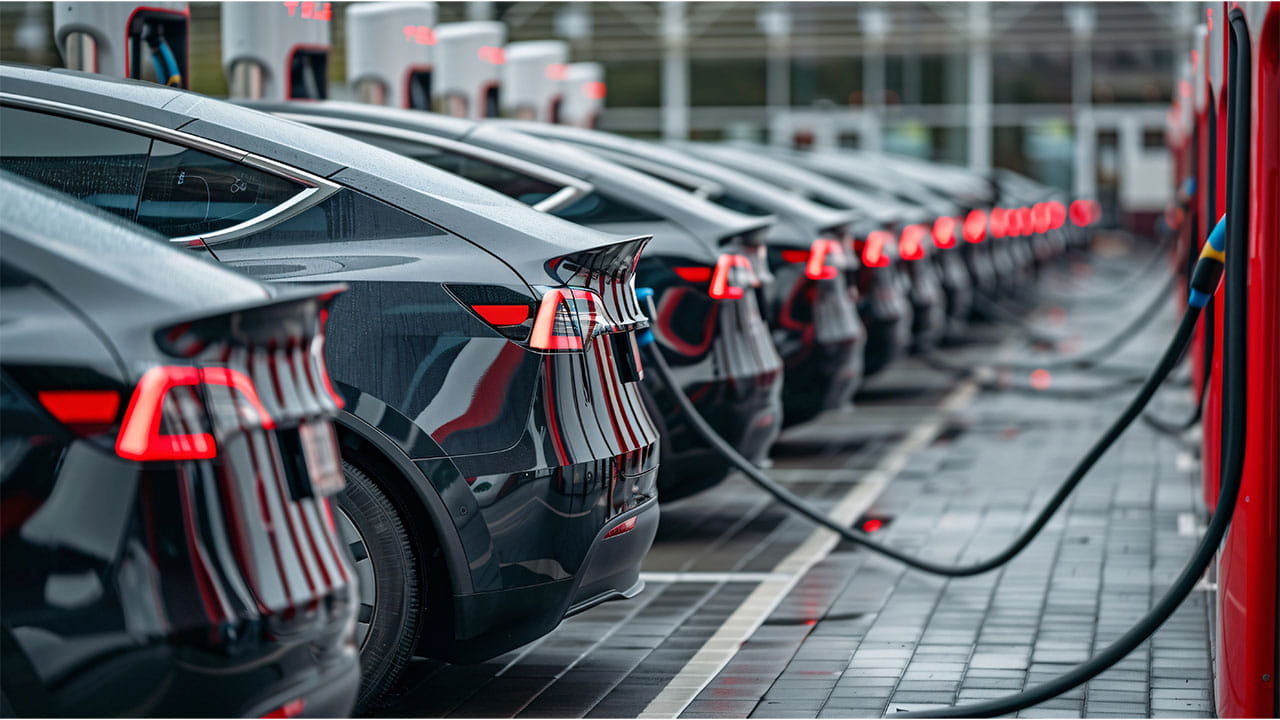
Many organisations have set ambitious environmental targets. Employees increasingly want to work for businesses that show authentic commitments to sustainability rather than simply talking about it.
A scheme can support:
• Fleet electrification• Carbon reduction initiatives
• ESG reporting objectives
• Sustainable travel policies • Employee engagement with environmental goals
Importantly, it makes sustainability programmes relevant to employees in a practical and personal way.
Making the Scheme Inclusive
One common misconception is that salary sacrifice only benefits senior employees. The most successful schemes attract across multiple salary bands and employee groups.
This can be achieved through:
• Wide vehicle choice, both new and used
• Affordable EV options
• Used electric vehicle availability
• Flexible contract structures
• Clear eligibility criteria
An inclusive scheme helps more employees benefit and improves overall engagement.
Communication is the key to success

The strongest salary sacrifice schemes succeed because employees understand them. HR teams should focus on simple communication that answers the questions employees genuinely ask:
• How much could I save?
• What happens to my take-home pay?
• Is maintenance included?
• What happens if I leave?
• Does it affect my pension?
• How do I choose a vehicle?
The most effective rollout strategy typically includes:
1. Launch announcement
2. Employee guides
3. Frequently asked questions
4. Interactive webinars
5. Savings calculators
6. Ongoing case studies and employee stories
The objective should always be clarity over complexity.
What HR directors should look for in a provider
A successful scheme relies heavily on provider support. HR teams should look for partners that can help with:
• Employee education
• Communications materials
• Online quotation tools
• Vehicle selection support
• Eligibility guidance
• Reporting capabilities
• Ongoing employee assistance
The less administrative burden placed on HR teams, the more successful the scheme is likely to be.
HR Director Takeaway
Employee Car Benefit Schemes are more than a vehicle programme. It is a modern employee benefit that can support recruitment, retention, engagement, wellbeing, and sustainability objectives at the same time.
When communicated effectively and supported by the right provider, the scheme offers tangible value that employees can see, understand and use in their everyday lives.
For HR leaders looking to strengthen their employee value proposition in 2026 and beyond, salary sacrifice Employee Car Benefit Schemes have become one of the most attractive benefits available.